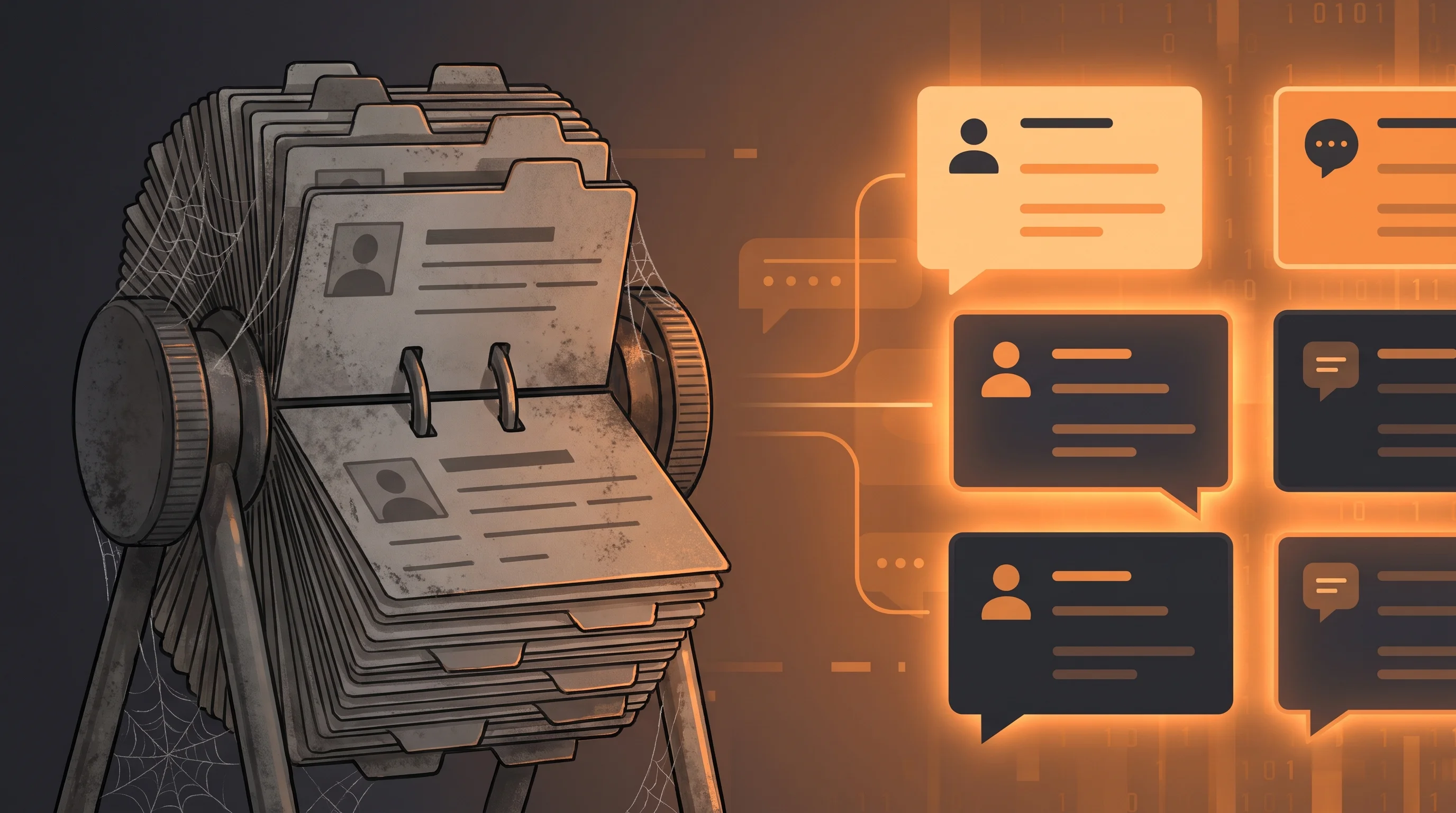
Can you legally text a contact who opted into your list two years ago and has not replied to anything since? That question matters more than whether GoHighLevel's new database reactivation campaign actually works, because the mechanics work fine. Nobody searching "GoHighLevel database reactivation" gets an answer to the question that actually decides whether running one is safe.
TL;DR:
- GoHighLevel's AI Campaigns feature can launch a database reactivation send in three clicks from the Contacts page, picking from pre-built dormant-lead segments, per GoHighLevel's own changelog.
- The AI conversations are billed separately from your base plan, either per token or through a $50 or $97 a month add-on, per GoHighLevel's pricing page.
- GoHighLevel's own compliance docs cover initial opt-in consent in detail but say nothing about consent going stale on a contact who has been silent for a year or more.
- The FCC's Reassigned Numbers Database exists specifically for this scenario: a number you once had valid consent for, now possibly belonging to someone else entirely.
What the feature actually does
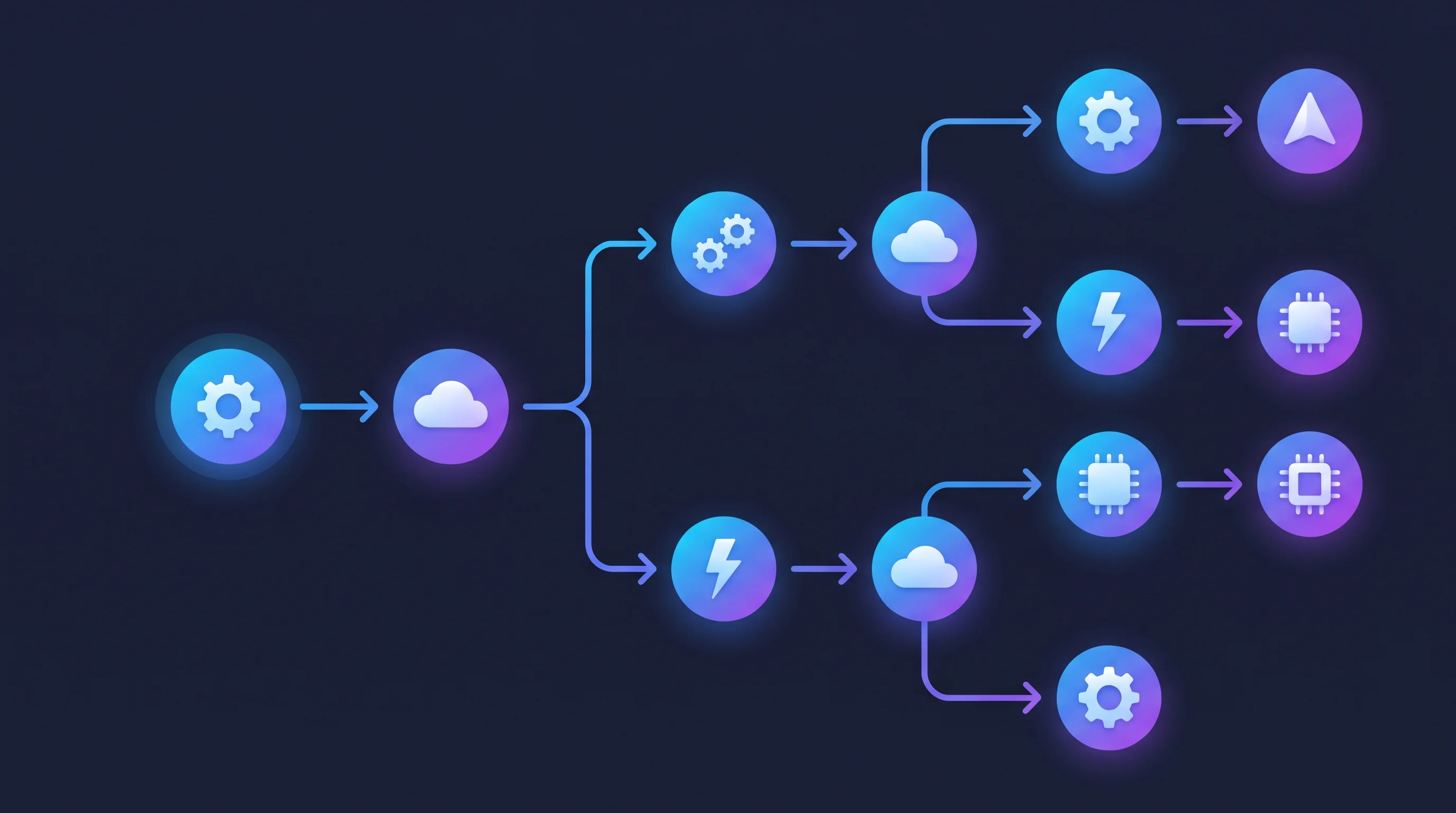
GoHighLevel folded database reactivation into its AI Campaigns tool. From the Contacts page, you pick an audience, a pre-built segment like engaged contacts, uncontacted leads, or opportunities with no activity in a 7, 15, or 30-day window, choose an AI agent, and start the campaign, according to GoHighLevel's own changelog entry for the feature. The AI reads each contact's past interaction history and writes a personalized opening message, then handles replies and runs up to five follow-ups per conversation on a schedule you set.
The same changelog lists real guardrails: the channel is SMS only, Do Not Disturb contacts are automatically skipped, the sending number needs outbound activation with a compliance confirmation, and the first message in any sequence carries an AI disclaimer. Those are genuine safety features. None of them answer the consent-age question, because none of them are designed to.
Nearly every agency blog ranking for this keyword describes the same three-click setup and stops at the revenue upside. What they skip is what it costs beyond the base plan, and what it risks on a list that has gone cold enough to need reactivating in the first place.
What it actually costs on top of your plan
AI conversations inside GoHighLevel are not bundled into the $97 Starter or $297 Unlimited plan fee. GoHighLevel's own pricing page lists two flat AI Employee add-ons, $50 a month or $97 a month per sub-account, alongside a pay-per-use option billed by token consumption instead of a flat fee.
The token rates are published directly in GoHighLevel's AI product pricing update article: GPT-5 runs $1.25 per million input tokens and $10.00 per million output tokens, with GPT-5 Mini roughly five times cheaper on both sides. That same article gives a worked example: a conversation using 100,000 input tokens and 25,000 output tokens on GPT-5 rates comes out to $0.375.
None of the roundup posts hyping this feature as a "three clicks, no cost" play mention that the clicks are free and the conversations are not.
The consent question GoHighLevel's own docs don't answer
GoHighLevel's own A2P 10DLC compliance documentation is specific about what counts as valid consent. "Consent must clearly show that the contact knowingly agreed to receive the type of messages described in your Campaign," according to GoHighLevel's campaign approval best practices article, which also states plainly that collecting a phone number does not by itself establish that consent.
That guidance covers the moment someone opts in. It says nothing about what happens to that consent after a contact has gone silent and landed in the exact "no activity" segment a reactivation campaign is built to target. A GoHighLevel automation build that pulls a list straight from a stale-contact filter and starts texting is applying a decision GoHighLevel's own documentation never actually makes: that old consent is still good consent.
The second risk: the number might not be theirs anymore
A contact who gave valid consent two years ago and then went quiet might not even hold that phone number today. The FCC maintains a Reassigned Numbers Database specifically so businesses can check whether a number has been handed to a new subscriber before contacting it again, and the safe harbor it provides only applies if a caller checked that database within the required refresh window.
Two independent law firm analyses of the rule agree on the mechanics: the database updates on a rolling basis, and to keep safe harbor protection, a caller has to re-check a number at least once every 30 days, as described by Jones Day and confirmed by Brownstein Hyatt Farber Schreck. A dormant-contact segment, by definition, is a list nobody has had a live conversation with in months. That is exactly the population where a number is most likely to have changed hands since the original opt-in.
None of the GoHighLevel database reactivation guides currently ranking for this keyword mention the Reassigned Numbers Database at all, and the ones that do touch on consent risk mostly point to inferred-consent frameworks outside the US, not the FCC's own safe harbor mechanics. The database check costs nothing to run and covers the one risk a dormant list carries that an active list doesn't.
What to confirm before you click start
Three things worth checking against your actual contact list, not a generic checklist:
- How old is the consent on this specific segment? A 7-day "no activity" window is a different risk profile than a 30-day window, and either is different again from a list that has been dormant for a year or more.
- What will the AI usage actually cost at this list size? Pull the token rate from GoHighLevel's pricing documentation and multiply by your segment size before running the campaign, not after reviewing the bill.
- Has anyone checked the oldest numbers on this list against the Reassigned Numbers Database? If the answer is no and the segment is genuinely dormant, that is the gap to close first.
Key takeaways
- GoHighLevel's database reactivation campaign is a real, working feature: three clicks, AI-personalized messages, built-in Do Not Disturb filtering.
- The AI conversations it sends are billed separately from the base plan, by token or by a flat $50 or $97 monthly add-on.
- GoHighLevel's compliance documentation covers initial consent thoroughly and says nothing about consent that has gone stale on a dormant contact.
- The FCC's Reassigned Numbers Database exists for exactly this scenario, and none of the current ranking guides for this keyword mention it.
Our GoHighLevel automation team builds reactivation campaigns with the consent-age and number-recency checks done before the first message sends, not discovered after a complaint. If the segmentation logic needs to go deeper than GoHighLevel's native filters allow, that is a job for our workflow automation team to wire in alongside it.