
Every roundup of white label payment gateway providers starts from the same assumption: you are about to become a payment company. Compare NMI against Akurateco, check the PCI DSS Level 1 box, budget a long and expensive build, and launch your own branded processor.
That advice is correct for exactly one kind of reader: an ISO, a PSP, or a marketplace that processes enough volume to justify owning the stack, where even a long, expensive build pays for itself. It is the wrong fight for the agency or small SaaS reseller who just wants clients to see a branded checkout page instead of a vendor's name on their statement. Our white label partners run into this confusion constantly, because the entire first page of search results is written for a buyer they are not.
What the roundups are actually selling
The providers that dominate white label payment gateway searches, NMI, Akurateco, Decta, are built for a specific buyer: a company that wants to become the processor of record for other businesses. The feature list reflects that. Multi-acquirer routing, KYB onboarding, anti-fraud engines, branded merchant portals for your own sub-merchants.
Building that stack from scratch is a real project, not a feature flag. It means a multi-month build, PCI DSS Level 1 certification, underwriting infrastructure, and the ongoing headcount to maintain compliance after launch. As an illustration of the scale involved, vendor-comparison guides for these platforms routinely put that build in the six-figure range before the first transaction processes. That math works for a company whose product is payments. It does not work for an agency whose product is marketing automation, CRM setup, or AI voice agents, and who wants branded billing as a side feature of a bigger service.
The embedded alternative nobody searching "white label payment gateway" expects
Two paths get an agency or small SaaS platform to branded, white-labeled payments without the six-figure build:
- Stripe Connect. Stripe's Connect product is built specifically so a platform can embed payments and other financial products under its own brand, while Stripe continues handling the processing, compliance, and underwriting in the background. A Custom-type Connect account can make Stripe almost entirely invisible to the end customer, and Stripe's own pricing page shows the two ways platforms charge for it: let Stripe set pricing for your users at no extra platform fee, or set your own pricing and pay $2 per monthly active account plus 0.25% and 25 cents per payout.
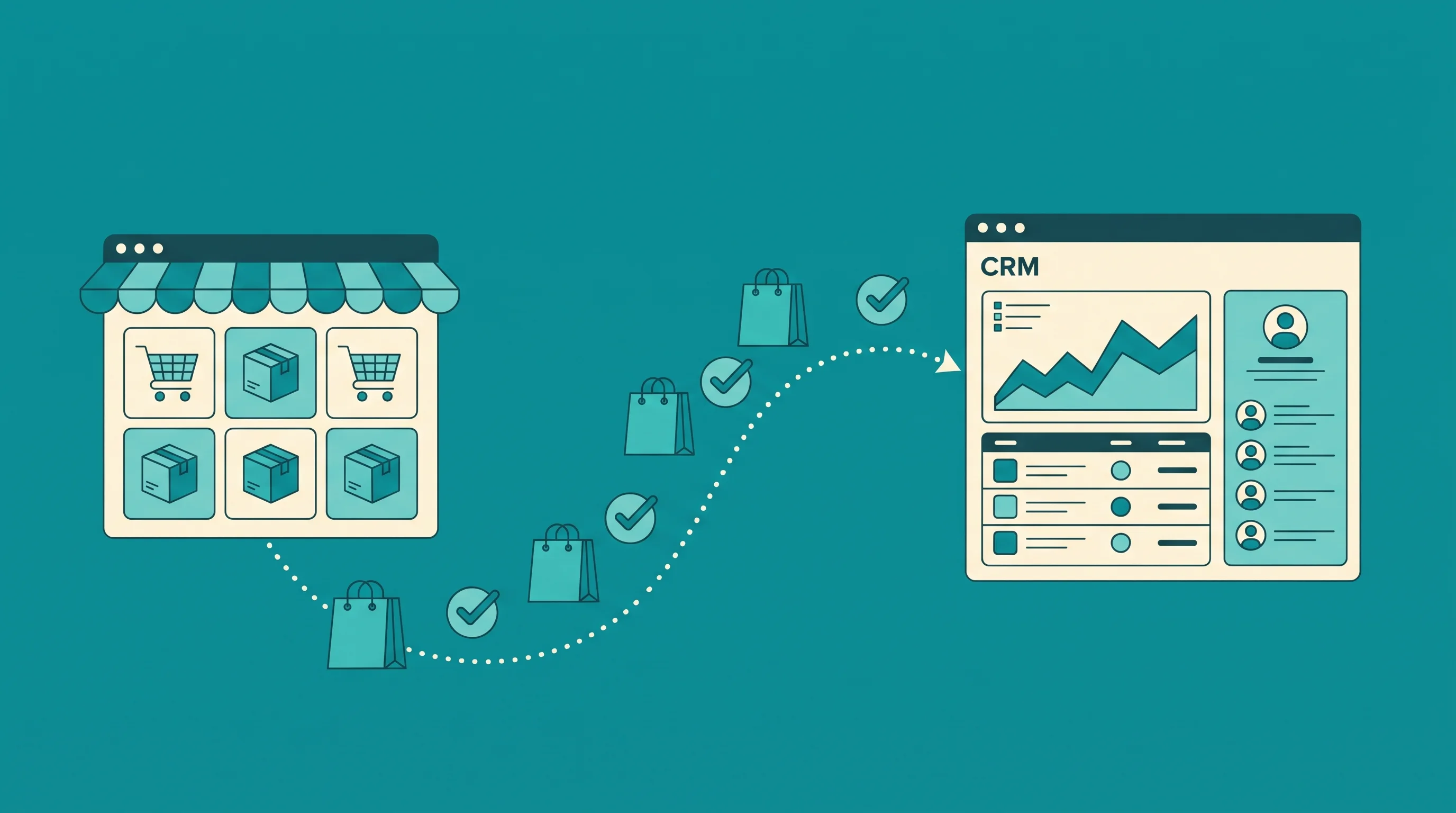
- A platform's own built-in rebilling. If the agency is already running client accounts on a platform like GoHighLevel, the rebilling feature does the same branding job without a separate integration. HighLevel's own support documentation explains that when rebilling is enabled, the agency's own connected Stripe account is the one charging the sub-account, and HighLevel's Stripe account never touches that transaction directly. The client never sees GoHighLevel or Stripe on their statement, only the agency.
Neither path requires a PCI DSS Level 1 audit, an underwriting team, or a multi-month build. Both get to the same end state the roundups promise: a customer who sees your brand on the payment, not a vendor's.
Stripe Connect or platform-native rebilling: which one actually fits
Most agencies researching a white label payment gateway are not choosing between these two in a vacuum. The right pick depends on what the agency is already running.
- Already on a platform with built-in rebilling, like GoHighLevel. Use the rebilling feature first. It is already wired into the account structure the agency manages day to day, so there is no second integration to maintain and no separate dashboard for support staff to learn.
- Selling custom software, a marketplace, or a product with no built-in billing layer. Stripe Connect is the better fit, since it is designed to sit inside a platform an agency is building rather than bolted onto one it is reselling.
- Running both a resold platform and a custom product. Expect to run both: rebilling for the resold software, Connect for the custom build. That is not a sign of doing it wrong. It mirrors how the two tools are actually built.
Treating this as an either-or choice is how agencies end up building a custom Stripe Connect integration on top of a platform that already rebills for them, duplicating work a single configuration screen already does.
Where the GoHighLevel rebilling example actually lands
The GoHighLevel case is worth sitting with because it is the clearest illustration of the gap between "white label payment gateway" as a search term and what most agencies searching it actually need.
New sub-accounts created through SaaS Mode come with rebilling available out of the box, and the agency sets its own markup on top of the agency's price rather than negotiating a rate with an underwriter, according to HighLevel's support documentation. An agency running GoHighLevel's SaaS mode is not negotiating an ISO agreement or submitting to a payments underwriter. It is setting a markup percentage inside a dashboard it already pays for.
That is not a lesser version of a white label payment gateway. It is the same branded outcome, reached through a feature instead of a build. For a deeper walkthrough of the setup and the margin math around it, see our GoHighLevel SaaS mode setup guide.
When building an independent gateway is actually the right call
There is a real version of this decision where the roundups are right and embedded options are the wrong fit. That threshold is processing volume, not ambition.
A company whose core product is payments, or whose transaction volume is high enough that per-transaction markup from an embedded provider outweighs the cost of owning the stack, has a different calculation than an agency reselling software or services. At that scale, the build and the compliance headcount eventually pay for themselves. Below that scale, as an illustration, an agency processing a few hundred thousand dollars a month in client billing is nowhere near the volume where a dedicated gateway's per-transaction savings would outpace a $2-per-account Stripe Connect fee, let alone a six-figure build and the salary of someone to maintain PCI compliance.
Key takeaways
- Most roundups of white label payment gateway providers are written for ISOs, PSPs, and marketplaces, not for agencies that just want a branded checkout.
- Becoming your own licensed processor means PCI DSS Level 1 compliance, underwriting infrastructure, and ongoing compliance headcount, a real cost most agencies never need to take on.
- Stripe Connect and a platform's own built-in rebilling, like GoHighLevel's, both deliver branded, white-labeled payments without that compliance burden.
- Pick based on what you already run: rebilling for a resold platform, Stripe Connect for a custom product, and both if you run each.
- An independent gateway build only earns its cost at a processing volume most agencies and small SaaS resellers never reach.
Our white label team sets up exactly this kind of branded billing for agencies layering payments on top of software they resell, without the compliance overhead a roundup comparison chart never mentions. If you are running or planning to run GoHighLevel's SaaS mode and want the rebilling and markup configured correctly from day one, that is the conversation worth having before you spend a dollar evaluating standalone gateway vendors.