
To earn Google's own Partner badge, an agency has to manage at least $10,000 in ad spend over 90 days, hold a 70 percent optimization score, and get half its team certified, according to Google's published requirements. Most agencies reselling white label PPC never clear that bar themselves, because the whole point of reselling is that someone else's team clears it for them.
That is also the number every white label PPC provider directory skips. They list twenty companies willing to run your clients' ad accounts for you, but none of them explain what a badge like that is actually worth when you're the one vetting who to hand a client's budget to.
None of those directories answer the question an agency owner actually has: once you hand a client's ad spend to someone else's team, what part of that relationship is still yours, and what happens the first month a campaign underperforms.
TL;DR:
- White label PPC means a third-party team manages Google, Meta, or Bing ad accounts while the agency keeps its own branding on every client touchpoint.
- Google's Partner badge is a free, verifiable way to check a wholesale provider's track record before handing them a client's ad spend, even though the reselling agency itself doesn't need the badge.
- The margin math looks clean on a slide and gets thinner once a client asks a question the provider takes two days to answer.
- The version that holds up ties the ad account into the CRM and reporting the agency already sells, instead of stacking a rented dashboard on top.
What white label PPC actually is
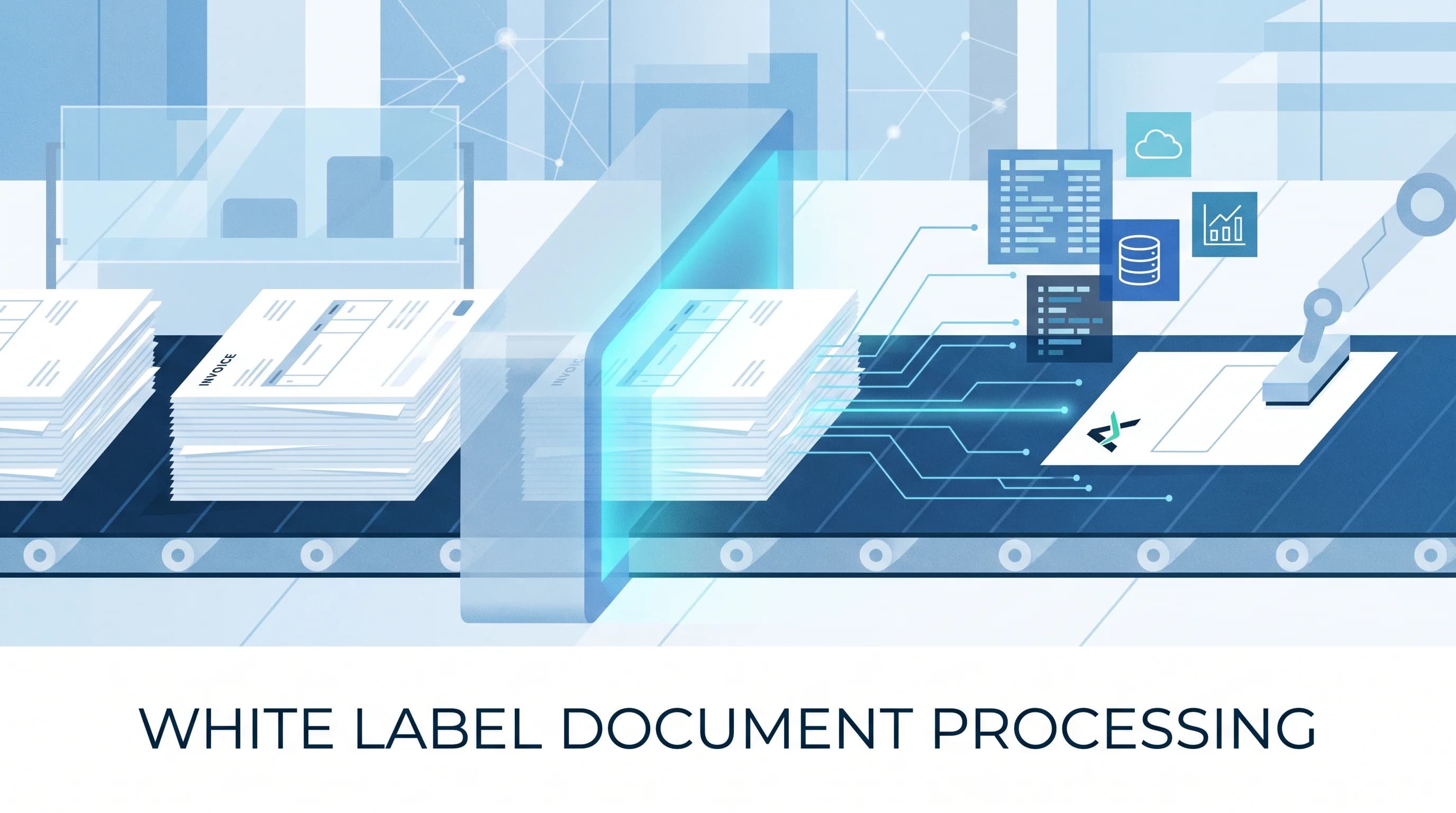
White label PPC is a fulfillment arrangement. An outside team, sometimes a specialist agency, sometimes a software platform with an attached service layer, manages the actual bidding, creative testing, and budget pacing inside Google Ads, Meta Ads Manager, or Bing. The agency that sold the client keeps its name on every report, every strategy call, and every invoice.
The client is paying for outcomes and a point of contact. They are not paying to know who is actually inside the ads dashboard at 2pm optimizing a bid strategy, and under a working white label arrangement, they never find out.
That structure is not unique to PPC. It is the same wholesale-and-markup model behind white label agency services more broadly, but PPC has a property those don't share: the feedback loop is fast. A campaign either hits target cost-per-lead this week or it doesn't, and the client can see the spend number in real time.
The margin math, and where it actually breaks
The pitch is straightforward. A wholesale provider charges a flat fee or a percentage of managed spend, the agency marks it up, and the difference is profit with none of the overhead of hiring a certified media buyer.
As an illustrative example: an agency pays a wholesale provider $500 a month per account and bills the client $1,200. That is $700 of gross margin before the agency spends any of its own time on the relationship.
The part the provider-list guides skip is what erodes that $700. Every client call the agency's team has to sit in on because the client trusts a face they know, not the provider's account manager, is unbilled time. Every reporting delay, where the provider's dashboard update lags the client's expectation of same-day answers, becomes a support ticket the agency has to smooth over without touching the actual campaign. The margin on the paper agreement and the margin after three months of account management overhead are not the same number, and most agencies only learn the gap after they have already signed several clients into it.
Vetting a provider: what actually matters
There is no license required to call yourself a white label PPC provider, so the vetting has to be done by the reselling agency. A few checks matter more than a polished sales deck:
- Ask for the Google Partner badge and what tier. Google's Partner program requires a minimum of $10,000 in managed ad spend across accounts in the last 90 days, a 70 percent average optimization score, and at least half the team holding current Google Ads certifications, per Google's own published criteria. A provider that can't produce this badge is not disqualified automatically, but the badge is a free, independently verified signal that costs the agency nothing to check.
- Ask how account access is structured. Google Ads supports manager accounts (MCCs) built specifically so one login can view and manage several linked client accounts without owning them. If the provider links into the agency's own manager account this way, the agency keeps the performance history and can walk away without losing the account's optimization data. If the client's account lives inside the provider's own manager structure instead, switching providers later means starting the account's learning phase over.
- Ask what happens to a campaign that underperforms for two consecutive months. A vague answer here means the agency is the one explaining the underperformance to the client with no leverage over the fix.
- Ask who writes the ad copy and lands page recommendations. Some providers only touch bidding and budget pacing, leaving creative and landing-page testing entirely to the agency. If that split isn't clear before the contract is signed, the agency ends up doing unpaid creative work to keep a campaign the client believes is fully outsourced from stalling out.
None of these checks require a media buying background to ask. They require treating the wholesale provider like any other vendor the agency's own reputation depends on, because from the client's side of the table, the provider's mistake is the agency's mistake.
Where the wholesale model runs into a wall
Wholesale PPC fulfillment scales cleanly up to a point: as long as every client fits the provider's standard playbook (a Google Search campaign for a local service business, say), reselling is close to plug-and-play.
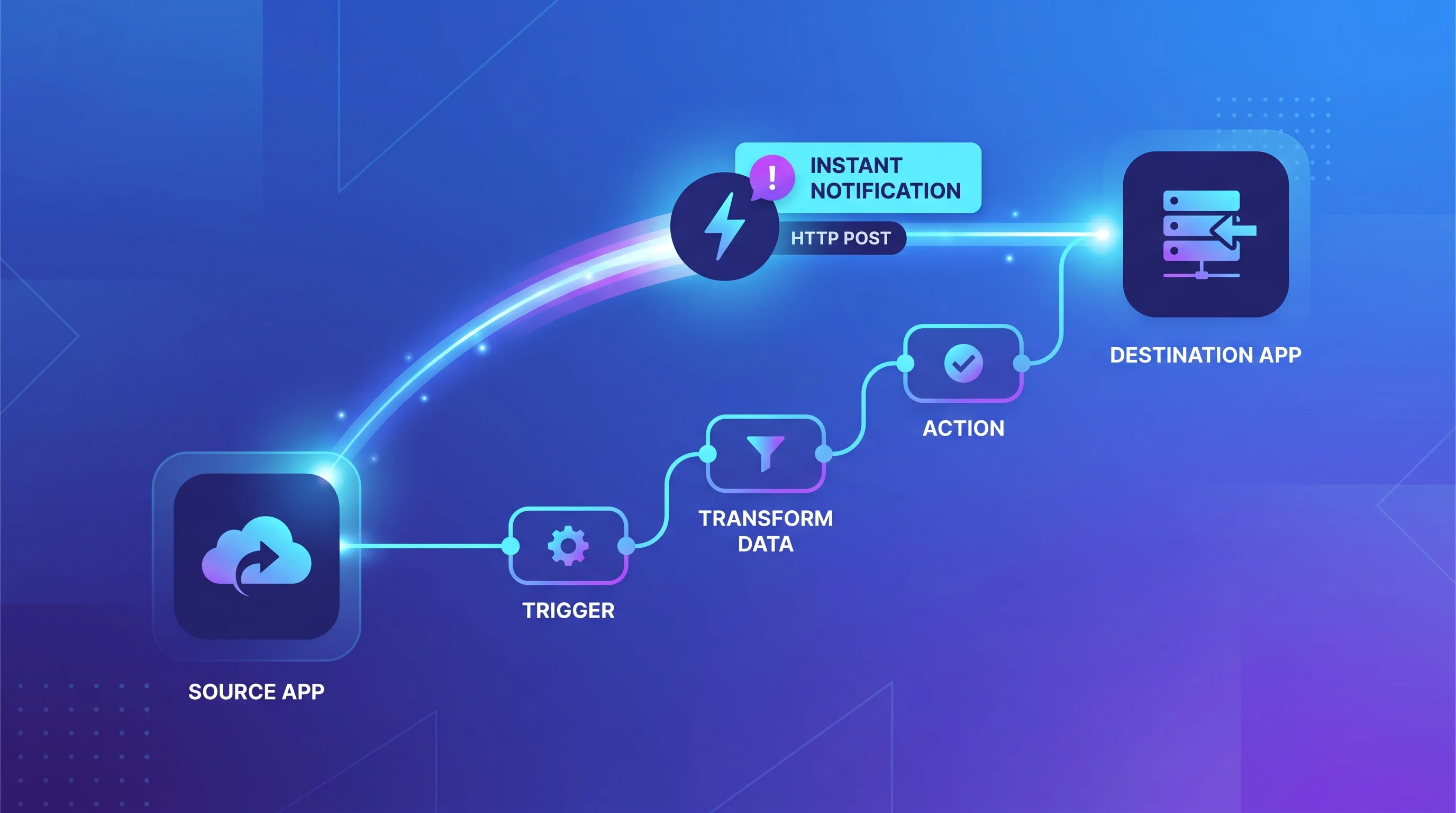
It runs into a wall the moment a client's business needs the ad account to talk to something else: a lead that comes in through a Google Ads form needs to land in the CRM the same minute, get scored, and trigger a follow-up call before a competitor's ad gets the second click. A wholesale PPC provider manages the ad account. It does not, by default, wire that lead into a CRM pipeline, a booking calendar, or a follow-up sequence, because that is not the service being resold.
That gap is where the reselling agency's real differentiation lives. Reporting the client can log into is a commodity every provider offers. A lead that moves itself from ad click to booked call without anyone touching a spreadsheet is not, and it's the kind of build our workflow automation team handles for agencies that want the ad spend to plug directly into the systems a client already runs on, not sit next to them as one more login.
Our white label team builds that connective layer under the agency's own brand: the ad account feeding a CRM automation, the lead scoring, and the reporting dashboard the client sees, all delivered as one system instead of a rented ads dashboard glued to whatever the agency already sells.
The decision rule
If every client on the roster fits a single, repeatable ad campaign template, a pure wholesale PPC reseller relationship is the fastest way to say yes to that demand without hiring. The moment a client needs the ad account wired into their CRM, booking system, or lead-routing logic to actually convert, that is no longer a PPC fulfillment problem, it's an automation build, and it is worth scoping as one before signing another wholesale contract that cannot deliver it.