Both platforms list their entry plan at exactly 97 dollars a month. One of them caps your contact list at 10,000 names. The other does not cap it at all. According to GoHighLevel's own pricing page, the 97-dollar Starter plan includes unlimited contacts and users. According to ClickFunnels' pricing page, the 97-dollar Launch plan tops out at 10,000 contacts before you need to upgrade.
That single detail is the clearest sign that a gohighlevel vs clickfunnels comparison based on price alone tells you almost nothing. The two platforms charge the same number at the entry tier and solve different problems with it.
TL;DR:
- GoHighLevel and ClickFunnels both start at 97 dollars a month, but the plans include different things: unlimited contacts versus a 10,000-contact cap.
- ClickFunnels wins on raw funnel-building speed and design flexibility. GoHighLevel wins on CRM, pipelines, and multi-channel automation.
- The real decision isn't about features, it's about whether you're selling a single conversion event or managing an ongoing client relationship.
- Agencies that resell software to clients get a meaningfully different deal from GoHighLevel's white-label and sub-account structure than from ClickFunnels' workspace model.
What GoHighLevel actually is
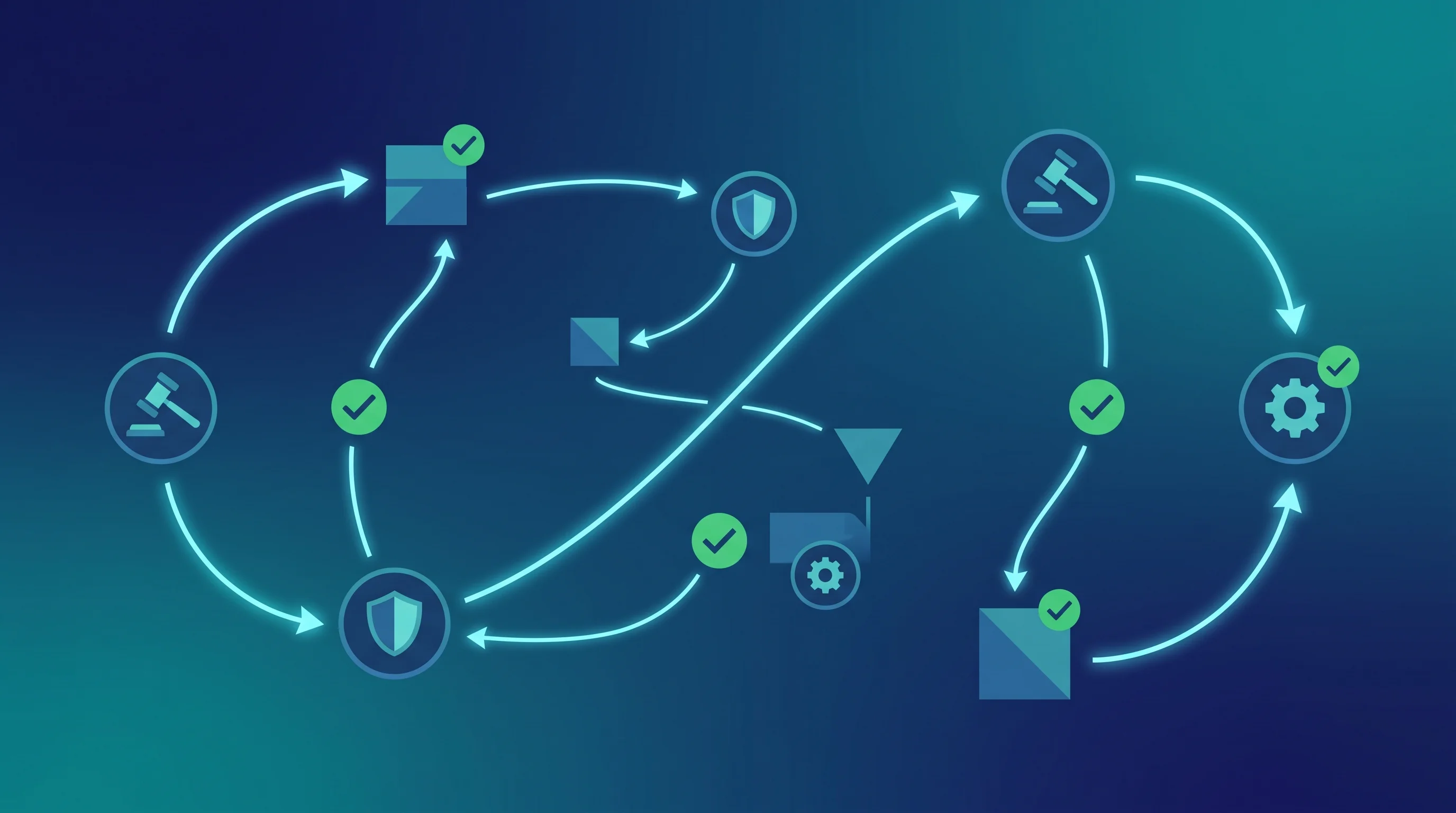
GoHighLevel is a CRM and marketing automation platform built around agencies managing multiple clients. The core product is pipelines, contacts, and a workflow automation builder that triggers emails, texts, voice calls, and now AI-driven conversation steps off a single contact record.
The website and funnel builder exists inside GoHighLevel, but it's a supporting feature, not the reason agencies buy the platform. Most of the workflow automation agencies build on GoHighLevel centers on moving a lead through a pipeline automatically: missed-call text-back, appointment reminders, review requests, and database reactivation campaigns that run for months without a human touching them.
What ClickFunnels actually is
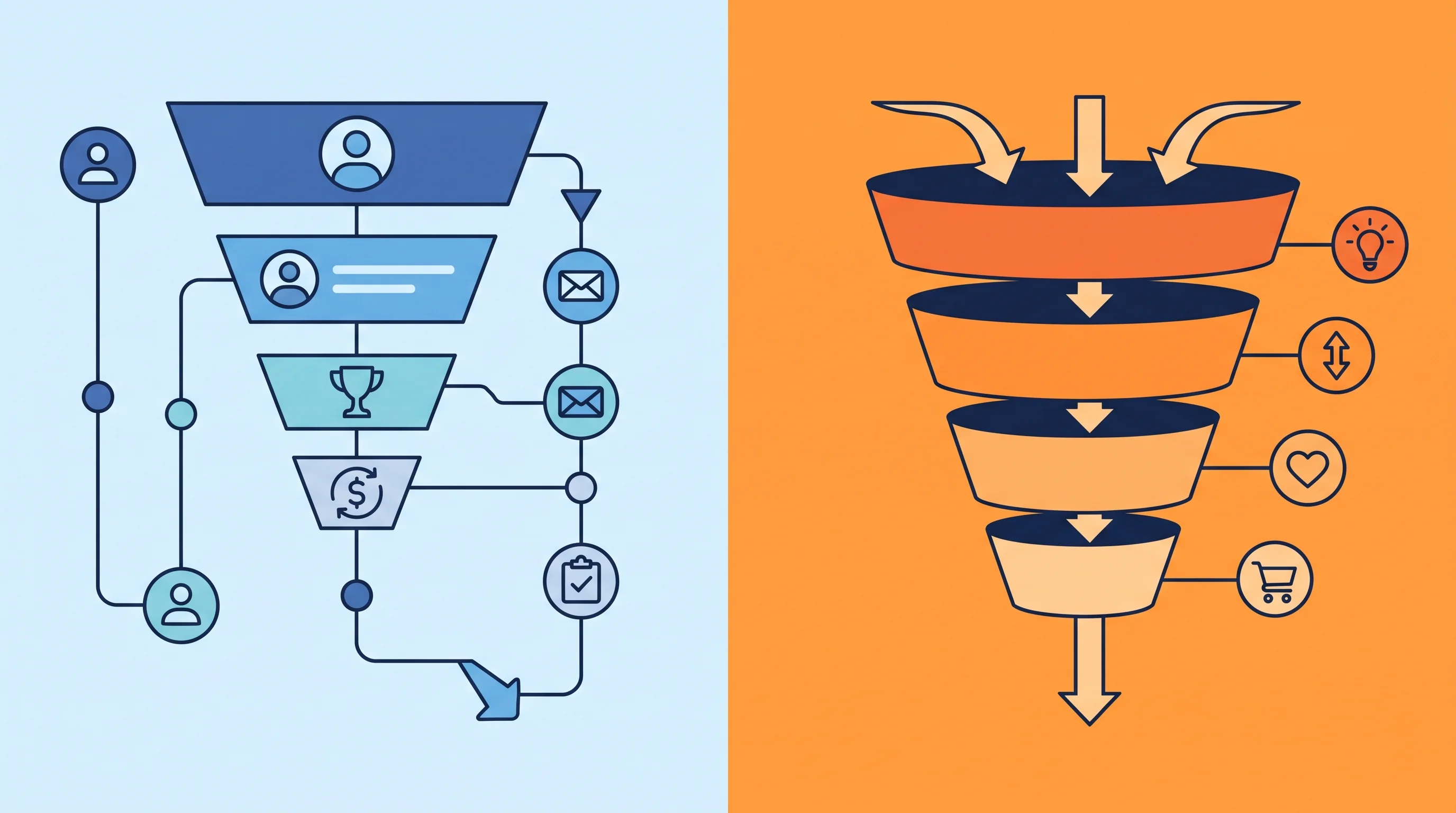
ClickFunnels is a funnel builder first. Its visual editor is built specifically for assembling a sequence of pages, opt-in, sales page, order form, upsell, that pushes a visitor toward one purchase decision.
ClickFunnels 2.0 added contact tagging, basic automation rules, and a course platform, but none of it was built around managing an ongoing client relationship across months. It's built around one transaction: get the visitor to convert on this funnel, today.
The $97 plans, side by side
| What you get | GoHighLevel Starter ($97/mo) | ClickFunnels Launch ($97/mo) |
|---|---|---|
| Contacts | Unlimited | 10,000 |
| Sub-accounts / workspaces | 3 sub-accounts | 1 workspace |
| Core strength | CRM, pipelines, automation | Funnel builder, email sends |
Numbers above come directly from GoHighLevel's pricing page and ClickFunnels' pricing page, both current as of this writing. Vendor pricing pages change without notice, so confirm current tiers before budgeting against these numbers.
Once you move up a tier, the gap changes shape rather than closing. GoHighLevel's Unlimited plan at 297 dollars a month adds unlimited sub-accounts, which matters for an agency running many client accounts. ClickFunnels' Optimize plan at the same 297-dollar price point raises the contact cap to 150,000 and adds 10 workspaces, still a hard ceiling, just a higher one.
Where ClickFunnels wins
Funnel design speed is the real advantage. The drag-and-drop editor is built for one job, and it does that job well: fast page assembly, a large template library, and split-testing built into the page editor itself.
If the entire business is a single offer sold through one high-converting page sequence, that's a legitimate reason to pick ClickFunnels over a platform that treats funnel building as a secondary feature.
Where GoHighLevel wins
CRM depth, pipeline visibility, and automation breadth. GoHighLevel's workflow builder can trigger across email, SMS, voice calls, and social channels from one automation, while ClickFunnels' automation stays mostly inside email with some behavioral triggers layered on top.
For an agency managing dozens of client relationships that each need their own pipeline, follow-up sequence, and reporting, that breadth is the whole point. ClickFunnels 2.0's added CRM features still lack a pipeline view or deal-stage tracking, so there's nowhere to see where a lead actually sits in the sales process.
This is also where GoHighLevel automation pays off beyond the sales funnel: missed-call text-back, review requests, and reactivation campaigns keep running on contacts long after they've converted, which isn't really what ClickFunnels was built to do.
Reporting follows the same pattern. A pipeline view that shows every contact's stage, next action, and owner is a core GoHighLevel screen, not an add-on. ClickFunnels can tell you how a funnel converted. As an illustrative example, it can't easily tell you which leads from last week's batch are still active, which went cold, and which one is overdue for a callback, because that's a CRM question, not a funnel question.
White-label and reselling
If you're an agency planning to resell the platform itself under your own brand, the two products diverge sharply. GoHighLevel's SaaS mode and unlimited sub-account structure let an agency white-label the entire platform, invoice clients directly, and run every client sub-account with separate branding and data.
ClickFunnels' workspace model on its higher tiers supports multiple client projects, but it isn't built as a resold, white-labeled product the way GoHighLevel is. An agency built around reselling software access to clients, not just building funnels for them, is choosing a fundamentally different business model, and that's a decision worth mapping out before picking either platform.
The question that actually decides it
Every comparison piece on gohighlevel vs clickfunnels runs through the same feature checklist: funnel builder, pricing, CRM, white-label. What most of them skip is the one question that makes the checklist irrelevant.
Are you selling a single conversion event, a webinar, a launch, a product drop, where the funnel itself is the asset? Or are you managing a client relationship that continues for months after the first contact, where follow-up, pipeline stage, and multi-channel touchpoints matter more than the page design?
The first case points to ClickFunnels. The second points to GoHighLevel. Most agencies serving local businesses, service providers, or ongoing retainer clients fall into the second case, which is why GoHighLevel shows up so often in agency stacks specifically.
The decision rule
Skip the feature-by-feature scoring and ask one question instead: does your revenue come from a single conversion event, or from a client relationship that runs for months after the first contact?
If it's the first, pick ClickFunnels. The funnel editor is built for exactly that, and you won't miss the CRM features you're not using. If it's the second, pick GoHighLevel. The pipeline, multi-channel automation, and uncapped contact list are built for a relationship that outlasts the first sale, and that's what most agencies serving retainer or ongoing clients actually run.
If your business runs on ongoing client relationships rather than one-off funnels, tell our GoHighLevel automation team what your current pipeline and follow-up process looks like. We'll show you exactly which workflows would save the most time once they're automated.